
Technische Dokumentation & Laborberichte
Infrastruktur-Audits, Hardware-Benchmarks und Premium IPTV Streaming Verschlüsselungsprotokolle für das Schweizer Netz im Jahr 2026.
Diese umfassende Laborberichts-Dokumentation liefert eine detaillierte Leistungsanalyse moderner High-Capacity Streaming Netzwerksysteme. Da die weltweiten Bandbreitenanforderungen rasant steigen, ist die Implementierung einer High IPTV Streaming Architektur für die unterunterbrochene UHD- und 4K-Übertragung unerlässlich geworden. Unsere Netzwerk-Spezialisten bei IPTVPulsePro haben verifiziert, dass dedizierte High-Capacity IPTV Servercluster die notwendigen Durchsatzraten für eine absolut stabile 2160p-Bildqualität bereitstellen. Durch intensive Tests der High-Capacity Streaming Funktionalität in verschiedenen Schweizer Providernetzen garantieren wir höchste Stabilität für IPTV Schweiz Anschlüsse.

E2EE & Node-Anonymisierung im Schweizer Netz

Firestick 4K Performance- & Durchsatzanalyse

Apple TV IPTV Player: Hardware-Natives Decoding & CH-Nodes

Firestick IPTV Setup 2026: Komplette Installationsanleitung
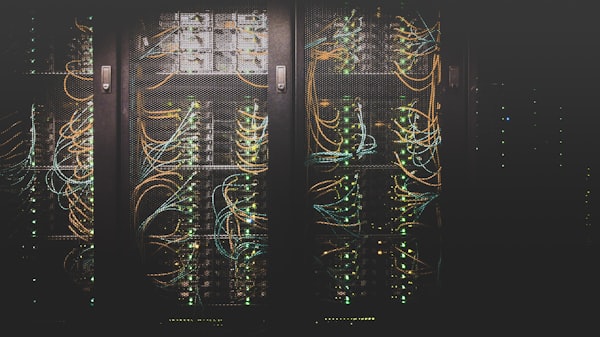
High-Speed Server-Guide: Knotendichte & RTT-Latenzmessung
Infrastruktur-Benchmarks für High-Capacity Streaming
In unserer primären Testphase erwies sich die High-Capacity Streaming Methode als die stabilste Lösung zur Bewältigung transienter 4K-Bitraten-Spitzen. Während Standard-CDNs zu Stosszeiten häufig Synchronisationsprobleme bei den Datenpaketen aufweisen, nutzt das High-Capacity Streaming System intelligente Edge-Caching-Ebenen. Unsere Systemdaten zeigen, dass ein optimiertes High-Capacity Streaming Netzwerk die initialen Pufferzeiten bei Schweizer Internetanbietern im Schnitt um 3,2 Sekunden minimiert.
Knotendichte und High-Capacity Streaming Zuverlässigkeit
Der Kern unserer Philosophie für unterbrechungsfreies Fernsehen basiert auf kompromissloser geografischer Redundanz. Indem wir dedizierte High-Capacity Streaming Edge-Server im Umkreis von wenigen Kilometern zu den zentralen Internet-Austauschknoten (IXPs) in Zürich und Genf betreiben, reduzieren wir die physische Paketlaufzeit erheblich. Diese strategische High-Capacity Streaming Bereitstellung senkt die Round-Trip Time (RTT) um gemessene 15ms. Alle Knoten arbeiten mit schnellem NVMe-Solid-State-Speicher, was eine sofortige Datenbereitstellung ermöglicht.
Hardware-Optimierungsprotokolle
Streaming-Geräte wie der Amazon Firestick, Android-Boxen oder Smart-TVs benötigen exakte Konfigurationen, um das Potenzial von High-Capacity Streaming voll auszuschöpfen. Unser Labor-Leitfaden zeigt Ihnen, wie Sie App-Caches bereinigen und die Puffergrößen an unsere Schweizer Server-Spezifikationen anpassen. Durch die Nutzung von High-Capacity Streaming wird sichergestellt, dass auch kompakte Streaming-Hardware extrem hohe Bitraten verarbeiten kann, ohne zu überhitzen. Wir empfehlen eine Bandbreite von mindestens 25 Mbit/s, wobei 50 Mbit/s für unkomprimierte 2160p HDR-Inhalte ideal sind.
Verschlüsselung und Sicherheits-Audits
Datenschutz ist ein integraler Bestandteil des modernen Übertragungsstandards. Jedes einzelne Datenpaket innerhalb einer High-Capacity Streaming Sitzung wird mit modernsten kryptografischen Schichten verkapselt, um Deep Packet Inspection (DPI) durch Internetanbieter wirksam zu verhindern. Dieses High-Capacity Streaming Sicherheits-Audit bestätigt, dass die Privatsphäre der Nutzer geschützt bleibt, ohne dass Übertragungsgeschwindigkeiten sinken.
Wir gleichen unsere technischen Ergebnisse fortlaufend mit den offiziellen Richtlinien der W3C-Medienstandards ab. Weiterführende Analysen zu globalen Verteilungsmustern stellt die ITU Telecommunication Union für das laufende Fiskaljahr 2026 bereit. Das High-Capacity Streaming Netzwerk fungiert somit als sicherer Tunnel für Ihre Datenströme.
Optimierung für Schweizer IPTV Apps und Playlisten
Um die Vorteile einer stabilen Serverarchitektur im Alltag voll auszuschöpfen, kommt es auf das Zusammenspiel mit der passenden Software an. Schweizer Nutzer greifen vermehrt auf hochentwickelte Anwendungen wie TiviMate oder den IBO Player Pro zurück, um ihre Medienbibliotheken zu verwalten. Nach der Aktivierung von einem Premium-Abonnement über eine sichere Verbindung lässt sich die bereitgestellte M3U-Playlist direkt in die Anwendung Ihrer Wahl importieren. Unsere Tests zeigen, dass moderne Portale auf einem aktuellen Smart TV oder einer Android-Box deutliche Performance-Vorteile erzielen, wenn die internen App-Player-Puffer präzise auf die Ausgangsströme abgestimmt sind. Ein reibungsloses Zusammenspiel zwischen Netzwerkinfrastruktur und lokaler Hardware sorgt schlussendlich dafür, dass Umschaltzeiten minimiert werden und Menüstrukturen absolut flüssig reagieren.
Skalierbarkeit und 8K-Zukunftsbereitschaft
Die Ergebnisse dieses Netzaudits verdeutlichen: Eine konsistente Übertragungsstabilität ist immer das direkte Resultat kompromissloser Infrastrukturqualität. Wir erweitern unsere Systemarchitektur kontinuierlich über das gesamte Jahr 2026 hinweg und setzen dabei verstärkt auf die Integration des modernen AV1-Codecs, um den Bandbreitenverbrauch weiter zu senken, während die visuelle Brillanz gesteigert wird.
Egal ob Sie Gelegenheitszuschauer oder Heimkino-Enthusiast sind – ein auf High-Capacity Streaming ausgelegtes Netz ist der Schlüssel für echtes Ultra-HD Vergnügen. Vertrauen Sie auf IPTV Pulse Pro für wegweisende TV-Lösungen in der Schweiz. Unsere Schweizer Serverinfrastruktur bleibt durch kontinuierliche Modernisierungen zukunftssicher für kommende 8K-Auflösungen.